
Blog ·
How a Construction Loan Appraisal Works (and If It's Low)
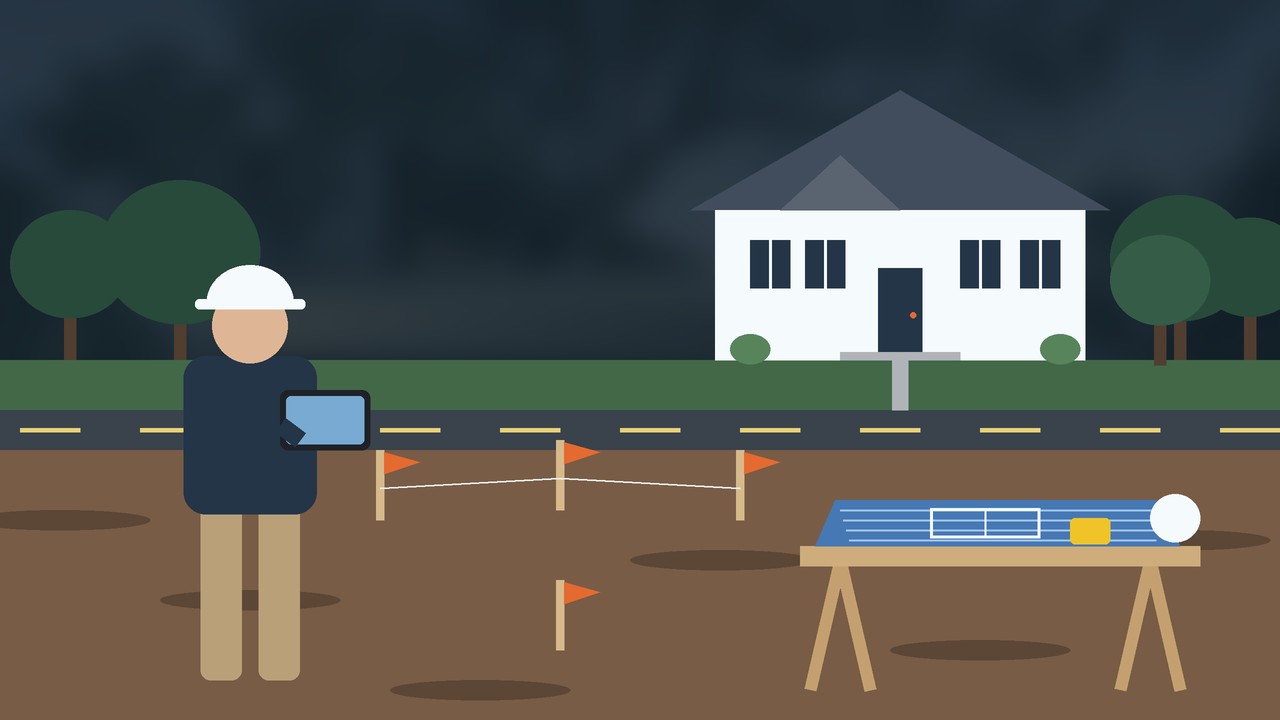
A construction loan appraisal estimates what your home will be worth once it's finished, using your plans, specifications, builder contract, lot, and recent sales of similar homes, all before construction starts. Most lenders size the loan on the lower of your total project cost or that "as-completed" value, so if the appraisal comes in low, you'll usually need to add cash, trim the plans, renegotiate with your builder, or ask the lender to review errors in the report.
Here's how the process works, what the appraiser needs from you, and your options if the number disappoints.
What is an "as-completed" appraisal?
On a regular home purchase, the appraiser walks through a house that already exists. On a construction loan there's nothing to walk through yet, so the appraiser values the home "subject to completion" of the plans and specs. You'll hear it called an as-completed, subject-to, or proposed-construction appraisal. They all mean the same thing: a forward-looking value of the finished home and lot.
Some lenders also ask for an "as-is" value of the land, especially if you already own it, and a cost-to-construct figure that adds the lot value to the builder's budget. The lender compares these numbers before setting your loan amount.
What does the appraiser need from me and my builder?
The appraisal is only as good as the package behind it. Expect to provide:
- Full plans (floor plans, elevations, and site plan)
- A detailed specification or materials list, including finish levels, roofing, siding, windows, flooring, and HVAC
- The signed builder contract and line-item budget
- Lot details: survey, address or parcel ID, and purchase price or payoff if you already own it
- Site costs: well, septic, driveway, utility runs, grading, and any detached garage or outbuildings
- Upgrades that add value, such as energy-efficient features or a finished basement
Vague specs like "standard kitchen" force the appraiser to assume the basics. If your plans include quartz counters and a three-car garage, spell it out. Our guide to construction loan scope of work covers how detailed lenders expect this to be.
How do appraisers value a home that isn't built yet?
Comparable sales
Most of the weight goes on comparable sales ("comps"): recently sold homes near you that are similar to your planned home in size, age, quality, and features. New-construction comps are best, but appraisers often adjust from resale homes too.
The cost approach
Many construction appraisals also include a cost approach, which estimates land value plus what it would cost to build the home, minus depreciation (usually none on a new build). It's a useful cross-check, but lenders typically lean on the comps.
Why rural and custom builds are harder
Thin or unusual comps are a leading reason construction appraisals come in low. A large custom home on acreage or a design unlike the neighborhood may have no close comparables, forcing bigger adjustments.
Why does the lower value or cost matter?
Lenders generally calculate how much they'll lend based on whichever is lower: your total project cost (land plus construction) or the as-completed appraised value. That protects both you and the lender from financing a home for more than it's worth.
If you already own the land, its appraised value may count toward your equity in the project, depending on the lender and how long you've owned it.
What happens if a construction appraisal comes in low?
A low appraisal doesn't automatically end the project. Common fixes include:
Bring additional cash
You can cover the gap between the appraised value and the project cost with your own documented funds. Lenders will want to see where the money came from.
Adjust the plans
Trimming square footage, switching finishes, or dropping an upgrade that the market doesn't reward can bring the cost in line with the value. Ask the builder which line items the appraiser may not have credited.
Renegotiate with the builder
Some builders will lower the price or absorb certain costs to keep the deal moving.
Ask for a reconsideration of value
If the report has factual errors (wrong square footage, missed features, a missing bathroom) or overlooked better comps, ask your lender to submit a reconsideration of value. Federal regulators note that lenders can ask appraisers to consider additional comparables, explain their reasoning, and correct factual errors. Bring specific, recent sales, not just a feeling that the number is wrong.
Consider a different lender or program
Some programs handle value differently, and some lenders may allow a new appraisal. Requirements vary by lender.
Is there a second appraisal when the house is finished?
Usually not a full one, on a one-time close loan. At completion, the appraiser or inspector typically confirms the home was built according to the original plans and specs (on conventional loans, often with a completion report). If the value has declined or the project changed significantly, the lender may require a new appraisal and update your approval before the loan converts.
On a two-time close, the permanent mortgage is a brand-new loan, so expect a new appraisal on the finished home.
How change orders affect your appraisal
The as-completed value is tied to the plans the appraiser reviewed. Big change orders during the build, such as adding a room or swapping to a cheaper roof, can mean the finished home no longer lines up with the appraisal. Many lenders won't add change-order costs to the loan unless they're approved in writing and supported by value. Talk to your lender before you sign one.
Tips for a stronger construction appraisal
- Give the appraiser complete, specific plans and specs up front.
- Ask your builder for recent sales of similar homes they've built nearby.
- Keep the design in line with the neighborhood. Over-improving rarely appraises well.
- Include all site work in the contract so nothing looks missing.
- Don't start building early. Many programs only finance proposed construction.
Frequently asked questions
What is an as-completed appraisal?
It's an estimate of what your home and lot will be worth once construction is finished, based on your plans, specs, builder contract, and comparable sales.
Who orders the construction loan appraisal?
Your lender orders it through an independent appraiser or appraisal management company. You and your builder supply the plans and documents.
What if my construction appraisal comes in low?
You can add cash, scale back the plans, renegotiate with your builder, or ask the lender for a reconsideration of value if the report has errors or missed comps.
Does my land count in the appraisal?
Yes. The appraisal values the finished home and lot together. If you already own the land, its value may count toward your equity, depending on the lender.
Will the home be appraised again at the end?
On a one-time close loan, there's usually a completion check rather than a full new appraisal, unless the value dropped or the plans changed. A two-time close typically requires a new appraisal.
Ready to start your build?
If you have plans, a builder, or just a lot and an idea, get started at My Construction Path. Tell us about your project and we'll connect you with lenders who offer construction-to-permanent financing in your area.
Requirements vary by lender, loan program, and location. This article is for general education and is not a commitment to lend. It is not a quote of rates, payments, or loan terms.