
Blog ·
Do You Make Payments During a Construction Loan?
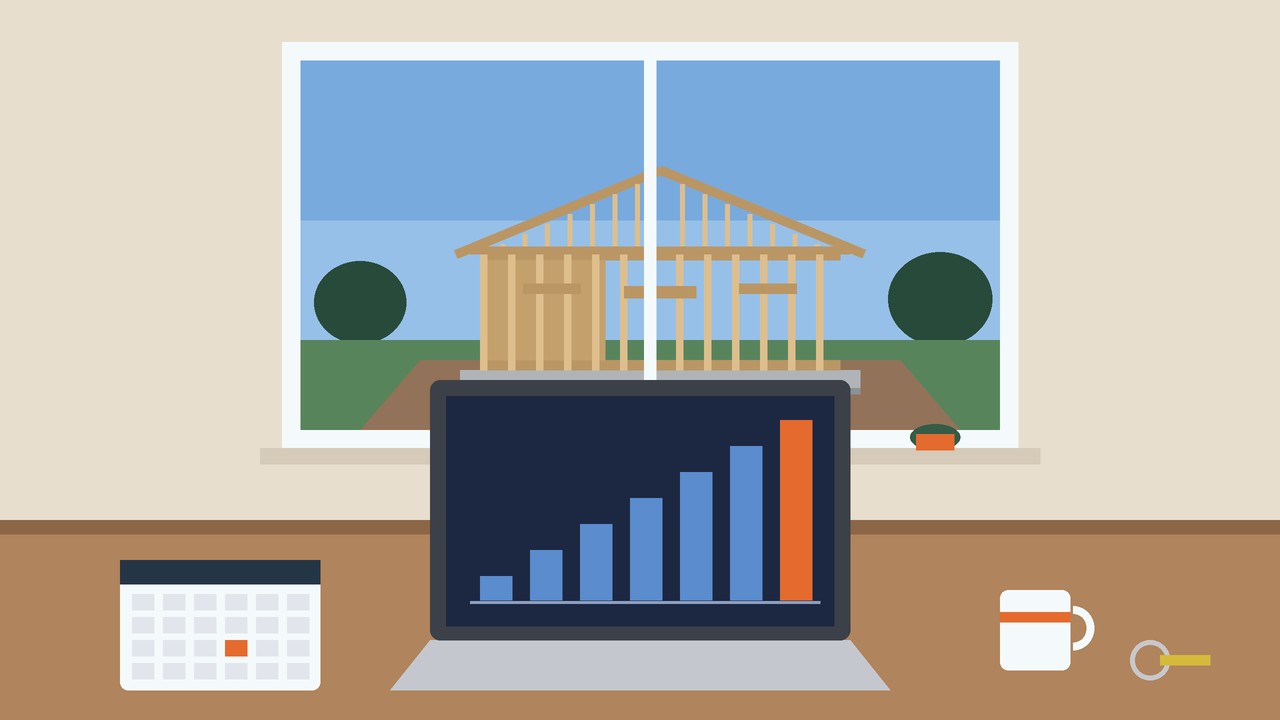
Usually, yes. With most construction loans, you pay interest each month only on the money the lender has paid out to your builder so far, not on the full loan amount. Once the home is finished and the loan converts to a regular mortgage, your payments switch to the normal principal-and-interest schedule.
That's the short answer. The details matter, though, because your payment changes almost every month during the build, and some loan programs handle it differently. Here's how it works.
How do payments work during construction?
A construction loan doesn't hand your builder all the money on day one. Instead, the lender pays the builder in stages, called draws, as work is finished and inspected. Your loan balance grows with each draw.
During the build, most lenders bill you for interest on the money drawn so far. You generally aren't paying down principal yet. That keeps early payments smaller, since only a small part of the loan has been paid out when the foundation goes in.
Here's the typical pattern:
- Closing. The loan closes before work starts. Some money may go out right away, for example to pay off your lot or cover early costs.
- First draws. As the builder finishes early stages, the lender pays them. Your first bill reflects interest on that smaller balance.
- Middle of the build. Each new draw raises the balance, so each monthly bill is usually a bit higher than the last.
- Completion. By the final draw, nearly the whole loan has been paid out. Your bill is at its highest point for the construction phase.
- Conversion. The loan becomes a permanent mortgage, and regular principal-and-interest payments begin.
Why does my construction loan payment change every month?
Because the balance changes. Interest is figured on what's actually been paid out, and the lender pays out more as the house goes up. If the builder requests two draws in one month, your next bill may jump more than usual. If work slows down, your bill may stay flat.
It helps to ask your lender for an estimate based on the builder's draw schedule. That gives you a rough idea of how your costs will climb so you can budget for it.
Do I still pay rent or my current mortgage while building?
For most people, yes. That's the part that catches people off guard. While your new home is being built, you still need somewhere to live. So you may be paying:
- Rent or the mortgage on your current home
- The construction loan bill on the money drawn so far
- Property taxes and insurance on the new lot, depending on how your loan is set up
Lenders know this. When they review your application, they look at whether you can handle both housing costs at the same time. Your debt-to-income ratio (DTI), savings, and payment history all play a role. If you plan to sell your current home, ask how the lender treats that sale when qualifying you.
Are there construction loans with no payments during the build?
Some programs do work differently, so it's worth asking.
VA construction loans. According to the VA's buyer's guide, the Veteran generally doesn't make payments on the loan until construction is complete. During construction, the builder is responsible for the interest and many fees normally tied to a construction loan. Lenders set up the details, so confirm how yours handles it.
Interest reserves. Some lenders build an interest reserve into the loan. That's money set aside at closing to cover the interest bills during the build. You still pay for that interest, but it comes out of the loan instead of your monthly budget. Not every lender or program offers this.
Builder-paid arrangements. Some builders cover costs during construction as part of their contract. Read the contract closely so you know exactly what's included.
What happens to payments when the loan converts?
With a one-time close (also called construction-to-permanent) loan, the construction phase and the permanent mortgage are set up at a single closing. When the home is finished, passes final inspection, and gets a certificate of occupancy, the loan converts. Your bill changes from interest on the money drawn to a standard mortgage payment that includes principal, interest, and usually escrow for taxes and insurance.
With a two-time close loan, the construction loan is paid off with a new mortgage at a second closing. You'll qualify again, and your permanent payment depends on the new loan you choose.
Either way, your first full mortgage payment usually comes due shortly after conversion. Ask your lender for the exact date.
What if construction runs long?
Delays happen. Weather, supply shortages, and inspections can push back your finish date. If the build takes longer than planned:
- You'll keep paying interest on the money drawn during the extra time.
- You may need a construction extension, which some lenders charge for.
- Your rate lock or loan terms could be affected, depending on the program.
Ask before closing what happens if the build runs past the planned date. A realistic schedule from an experienced builder is your best protection.
Tips to manage payments while you build
- Get the draw schedule early and ask your lender to estimate your monthly bills from it.
- Set aside a cushion in savings for overlapping rent or mortgage costs.
- Ask about interest reserves or builder-paid options before you choose a lender.
- Set up autopay so a changing bill never slips through the cracks.
- Stay in touch with your builder so a bigger-than-expected draw doesn't surprise you.
Run your numbers: use our construction-to-permanent loan calculator to estimate interest on the money drawn during your build. Estimates only, based on the numbers you enter.
Frequently asked questions
Do you pay principal during the construction phase?
Usually not. Most lenders bill interest on the money drawn so far during the build. Principal payments typically start after the loan converts to a permanent mortgage.
When does the first construction loan payment come due?
It depends on the lender. Many send the first bill after the first draw is paid out. Ask your lender how billing works on their program.
Can I use the loan to pay the interest during construction?
Some lenders offer an interest reserve that covers interest bills from the loan itself. Availability varies by lender and program.
Do VA construction loans require payments during the build?
VA guidance says the Veteran generally doesn't make payments until construction is complete, with the builder responsible for interest during the build. Confirm the setup with your lender.
Will my payment go up after the house is finished?
Usually, yes. Once the loan converts, you begin paying principal as well as interest, and escrow for taxes and insurance is often added.
Ready to plan your build?
Knowing how payments work during construction makes it easier to budget with confidence. Get started at My Construction Path. Tell us about your project, and we'll connect you with lenders who offer construction financing.
My Construction Path is not a lender and does not make loans or credit decisions. Not all borrowers will qualify. Equal Housing Opportunity. Requirements vary by lender, loan program, and location. This article is for general education and is not a commitment to lend. It is not a quote of rates, payments, or loan terms.