
Blog ·
One-Time Close Loans for Modular and Barndominium Homes
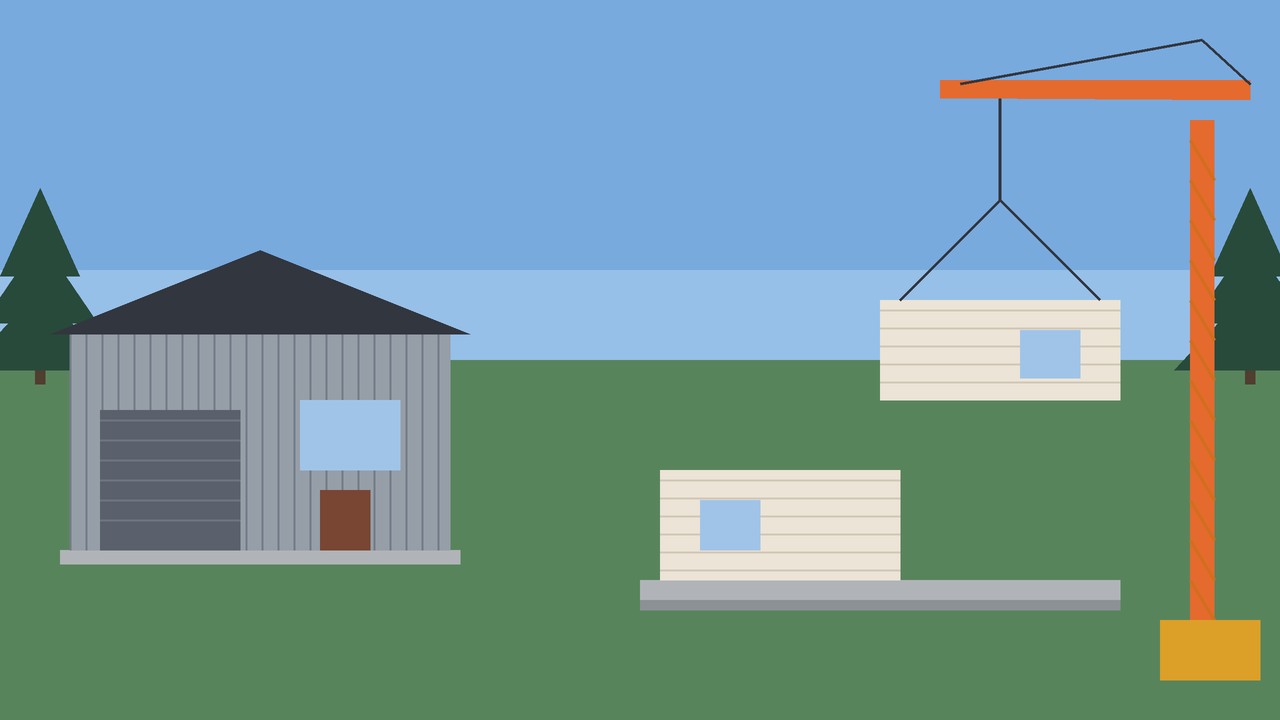
Yes. Modular homes and many barndominiums can be financed with a one-time close construction loan, as long as the home is built to local residential code, sits on a permanent foundation, and the lender approves your builder or manufacturer. The biggest hurdle for barndominiums is usually the appraisal, not the loan type.
We already cover modular and container homes and barndominiums in depth. This post focuses on one question: does your build fit a one-time close?
What lenders look at
| Factor | Modular | Barndominium |
|---|---|---|
| Building code | Built in a factory to state or local residential code. | Built on site to local residential code. |
| Foundation | Permanent foundation, set on site. | Permanent foundation, often a slab. |
| Who's the builder | Manufacturer plus a local builder or dealer who sets and finishes it. | A local builder, sometimes with a kit supplier. |
| Draw schedule | Often a large draw when the factory delivers. | Standard draws as work is finished. |
| Appraisal | Usually compared to site-built homes nearby. | Can be hard if there are few similar homes nearby. |
| Use of the building | A home. | Mostly living space. Large shop areas get extra review. |
Why modular homes usually fit
Fannie Mae's factory-built housing rules treat modular homes like site-built homes once they're built to code and on a permanent foundation. Its single-closing construction-to-permanent rules then let one loan cover the lot, the build, and the final mortgage.
The main difference is the draw schedule. Factories often want a large deposit or payment before the home ships. Ask the lender how it handles factory draws before you sign with a manufacturer.
FHA can work too. See FHA construction loans for modular homes.
Where barndominiums get stuck
A barndominium is usually site-built, so it can fit a one-time close. The challenges are about value and use:
- Few similar homes nearby. The appraiser needs similar sales. With none, the value may come in low.
- Big shop spaces. If a large part of the building is a shop or garage, some lenders limit how much of it they'll value.
- Kit packages. Some lenders want to see the kit supplier's plans and who will finish the building.
- Rural land. Well, septic, and road access all need to be in the plans and budget.
How to improve your odds
- Ask lenders if they've closed one-time close loans on your home type before.
- Share your plans with the appraiser early, if the lender allows it.
- Keep living space as the main use of the building.
- Use a builder who has finished this kind of home and can show past projects.
Frequently asked questions
Can I use a one-time close loan for a modular home?
Often, yes. Modular homes built to code and set on a permanent foundation are usually treated like site-built homes.
Can a barndominium be financed with a one-time close loan?
Many can, if built on site to residential code. Some lenders limit financing when a large part of the building is a shop or garage.
Is a manufactured home the same as a modular home?
No. Manufactured homes are built to a federal code and have their own loan rules. Modular homes are built to state or local code.
Why do barndominium appraisals come in low?
Usually because there are few similar homes nearby to compare against.
How are factory deposits handled?
It varies. Some lenders can fund a draw when the factory delivers. Ask before you sign with a manufacturer.
Ready to build modular or barndo?
Not every lender does these builds, but some do them often. Get connected with a construction lender. Tell us about your home type, land, and builder, and we'll connect you with construction-to-permanent lenders.
My Construction Path is not a lender and does not make loans or credit decisions. Not all borrowers will qualify. Equal Housing Opportunity. Requirements vary by lender, loan program, and location. This article is for general education and is not a commitment to lend. It is not a quote of rates, payments, or loan terms. FHA loans are insured by the Federal Housing Administration, which does not lend money directly.