
Blog ·
Can You Start Building Before Your Construction Loan Closes?
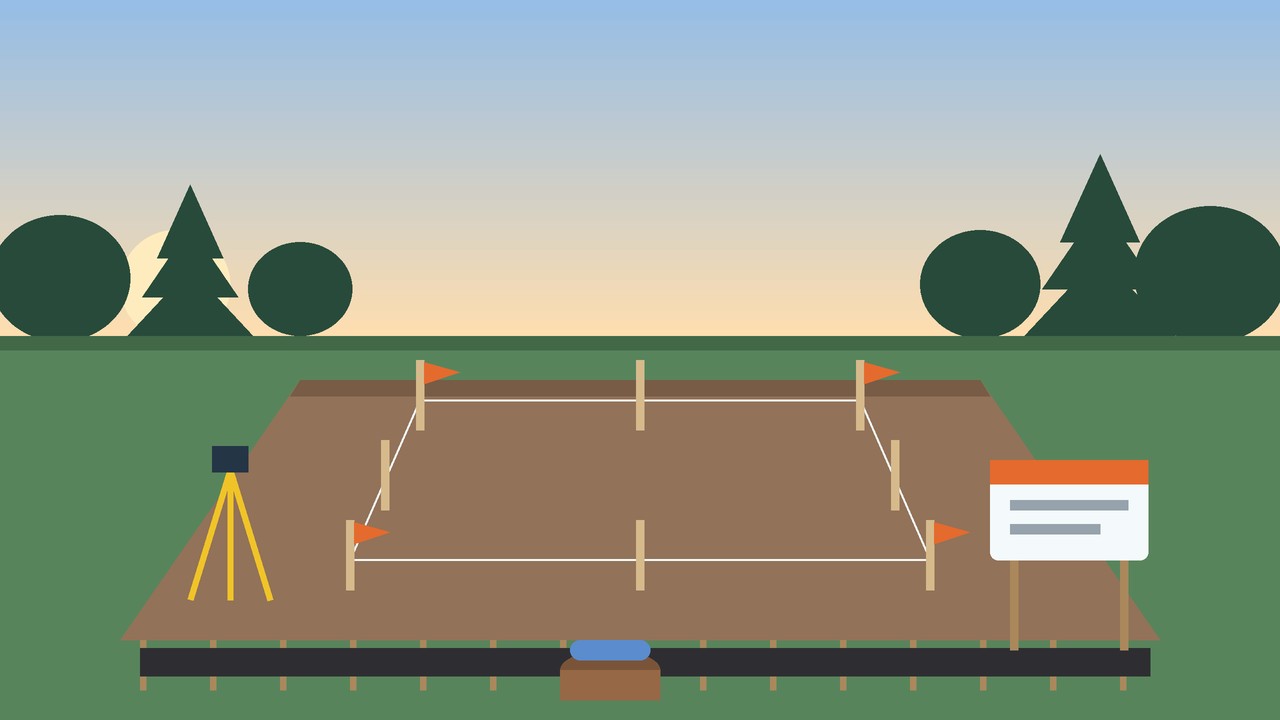
In most cases, no. Lenders and title insurers generally require that no permanent work, like footings, a foundation, or framing, begins on the lot until your construction loan has closed and the mortgage is recorded. Starting early can delay your closing, change your loan options, or stop the loan altogether.
That surprises a lot of people who are eager to break ground. Here's why the rule exists, what usually counts as "starting," and what you can safely do while you wait.
Why can't you start building before closing?
It comes down to who gets paid first if something goes wrong.
When a builder, subcontractor, or supplier works on a property, state law usually gives them the right to file a mechanic's lien if they aren't paid. In many states, that lien's priority dates back to the first day of visible work on the lot, not the day the lien is filed.
If work starts before the lender's mortgage is recorded, a contractor's lien could end up ahead of the lender. Title insurance companies may then refuse to give the lender the lien coverage it needs. Without that coverage, many lenders simply won't close.
What counts as an "early start"?
Each lender and title company draws the line a little differently, but here's the general picture.
Usually treated as an early start:
- Pouring footings or a foundation
- Framing or any permanent structural work
- Excavating or moving dirt for the house
- Delivering building materials or equipment to the lot
- Tearing down an existing structure
Often allowed before closing (confirm first):
- Surveying and staking the lot
- Soil tests and perc tests
- Setting up silt fencing
- Getting plans drawn and permits applied for
- Light site clearing, in some cases, with lender and title approval
Some lenders are strict. For example, many one-time-close programs only finance "proposed construction," meaning a home where no permanent work has started. If a foundation is already in, the project may no longer qualify for that loan at all.
What happens if work already started?
If work has already begun, don't hide it. Tell your loan officer right away. Depending on the lender, the state, and how far things have gone, a few things can happen:
- The lender may decline the loan. Some construction programs don't allow any "pre-start" work.
- The title company may ask for extra paperwork. That can include lien waivers from everyone who has worked on the lot, proof of payment, and a personal indemnity from you.
- You may need a different loan type. A project that's partly built can sometimes be financed with a different construction or renovation product, but options are narrower.
- Your closing may be delayed while the title company reviews the risk.
Some title insurers offer an "early start" approval in special situations, such as getting footings in before the ground freezes. These approvals usually require extra documentation and controls on how money is paid out. They're the exception, not the rule.
Can you pay your builder a deposit before closing?
Often, yes. A deposit isn't the same as starting work. Many builders ask for one to hold your spot or order plans.
If you pay a deposit:
- Keep the signed contract, receipts, and canceled checks.
- Get a written receipt from the builder showing what the deposit covers.
- Ask your lender whether it can count toward your required investment or be credited at closing.
Avoid paying subcontractors directly before closing. It creates lien and paperwork headaches later.
How do you get to closing faster?
If timing is the real worry, the best move is to get your file ready early. Most delays come from missing pieces, not from the lender.
- Pick a builder early. The lender will review your builder's license, insurance, and experience. See what lenders check in a builder.
- Get a detailed, fixed-price contract. A complete scope speeds up the appraisal and approval. Here's how detailed a scope of work should be.
- Start permits early. Some lenders or states want approved permits before closing, and most want them before the first draw.
- Order the appraisal promptly. New-build appraisals are based on your plans and specs, so have them final.
- Gather your income, asset, and land documents up front.
What happens right after closing?
Once the loan closes and the mortgage is recorded, your builder can usually start. Some lenders take dated photos of the empty lot or ask for a recorded notice of commencement first, so ask your lender for the exact go-ahead.
From there, your builder is paid in stages through draws as work is inspected. If you're new to that process, read how construction loan draws work.
Frequently asked questions
Can I clear trees before my construction loan closes?
Sometimes. Some lenders and title companies allow light clearing, while others treat any site work as an early start. Ask your lender and get approval in writing first.
Does pulling a building permit count as starting construction?
No. Applying for or receiving a permit isn't physical work on the lot. Many lenders actually want permits in hand before or soon after closing.
What if my foundation is already poured?
Tell your loan officer right away. Many one-time-close programs only finance proposed construction, so you may need a different loan type or extra title paperwork.
Why does the mortgage need to be recorded before work starts?
Recording sets the lender's place in line. If work starts first, a contractor's lien could take priority, and the title insurer may not cover that risk.
Can I do some of the work myself before closing?
Even work you do yourself can count as an early start. Most construction lenders also require a licensed builder to do the work, so check before you lift a shovel.
Ready to break ground the right way?
The fastest path to building is getting your loan lined up before anyone touches the lot. Get started at My Construction Path. Tell us about your project, and we'll connect you with lenders who offer construction financing in your area.
My Construction Path is not a lender and does not make loans or credit decisions. Not all borrowers will qualify. Equal Housing Opportunity. Requirements vary by lender, loan program, and location. This article is for general education and is not legal advice, a commitment to lend, or a quote of rates, payments, or loan terms.